

Maximizing your Tracking Efficiency by using GTM instead of Direct/App/Plugin Integration
In the ever-evolving landscape of digital marketing, the method by which we track and analyze data is critical to success. Direct integrations, apps, and plugins are not sufficient, utilizing Google Tag Manager (GTM) offers unparalleled flexibility, efficiency, and control over tracking various metrics, including Facebook Pixel, Conversion API, Google Ads conversion tracking, and Google Analytics.
Disadvantages of Direct/App/Plugin Integration:
- Limited Flexibility and Customization: Direct integrations, apps, or plugins may offer predefined tracking configurations, limiting the ability to customize tracking parameters or implement advanced tracking functionalities tailored to specific business needs.
- Increased Complexity and Maintenance: Managing multiple direct integrations or plugins across different platforms can lead to increased complexity and maintenance overhead. This fragmentation may result in inconsistencies, versioning issues, and difficulties in tracking implementation updates.
- Potential for Data Inaccuracy and Fragmentation: Relying on disparate tracking methods can introduce the risk of data inaccuracies, discrepancies, or fragmentation. Without a centralized tracking infrastructure like GTM, ensuring data consistency and accuracy becomes more challenging, potentially compromising the reliability of analytics insights.
- Dependency on External Providers: Direct integrations, apps, or plugins may introduce a dependency on external providers for tracking functionalities. Any changes or disruptions to these third-party services could impact tracking capabilities, leading to data loss or service interruptions.
Here’s why everyone should consider leveraging GTM for these purposes:
1. Centralized Control and Organization
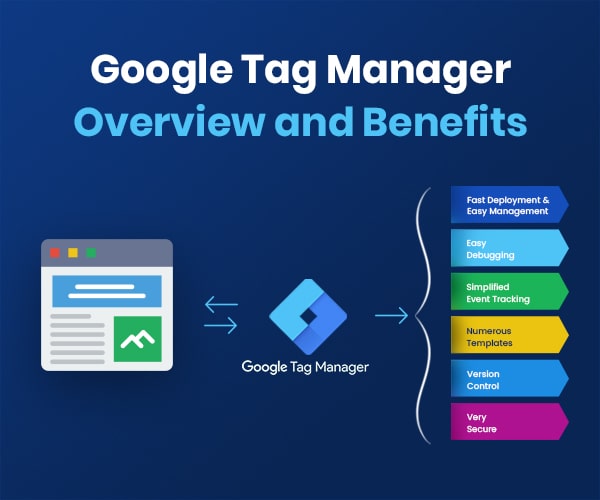
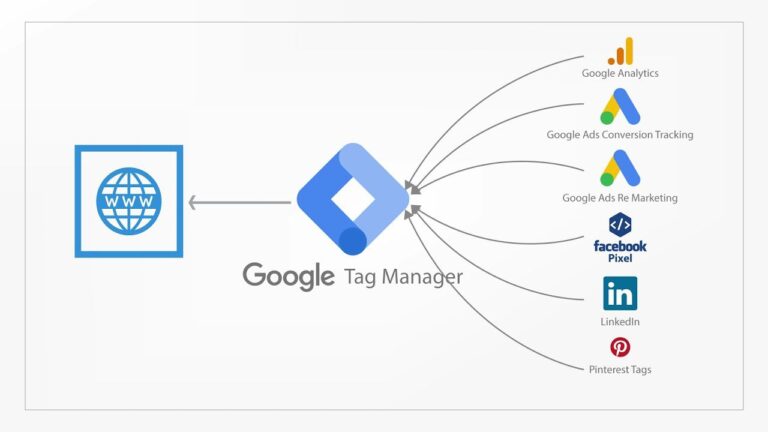
GTM serves as a centralized hub for managing all tracking tags and scripts, providing a single interface to streamline the deployment and maintenance of various tracking codes. Unlike direct integrations or plugins, which may scatter tracking implementations across multiple platforms or code snippets, GTM offers a cohesive solution for organizing and controlling tracking efforts efficiently.
2. Agility and Flexibility
One of GTM’s most significant advantages is its agility in adapting to changing tracking requirements. With GTM, marketers can swiftly deploy new tags, update existing ones, or remove obsolete tracking codes without the need for extensive developer involvement or website code changes. This flexibility empowers marketers to respond promptly to evolving tracking needs and optimize campaigns in real-time, a feat often challenging to achieve with direct integrations or plugins.
3. Reduced Dependency on Developers
GTM’s user-friendly interface and intuitive workflow minimize the reliance on developers for implementing and managing tracking codes. Marketers can configure tracking tags, triggers, and variables within GTM’s interface, empowering them to take ownership of tracking initiatives and iterate quickly without overwhelming technical overhead. This democratization of tracking capabilities accelerates the pace of experimentation and optimization, driving better results across digital marketing campaigns.
4. Enhanced Data Accuracy and Consistency
By consolidating tracking implementations within GTM, marketers can ensure data accuracy and consistency across various platforms and channels. GTM’s robust version control features enable meticulous tracking tag management, reducing the risk of discrepancies or data fragmentation commonly associated with disparate tracking methods. This unified approach to data tracking fosters trust in analytics insights and empowers marketers to make data-driven decisions with confidence.
5. Seamless Integration with Third-Party Tools
GTM seamlessly integrates with a vast ecosystem of third-party tools and platforms, including Facebook Pixel, Conversion API, Google Ads, and Google Analytics. This interoperability simplifies the process of adding or updating tracking functionalities, allowing marketers to leverage a diverse array of marketing technologies while maintaining a centralized tracking infrastructure. Whether it’s implementing advanced tracking configurations or integrating with custom analytics solutions, GTM offers unparalleled versatility and compatibility.
In conclusion, as direct integrations, apps, or plugins are not sufficient, leveraging Google Tag Manager provides unparalleled advantages in terms of centralized control, agility, reduced dependency on developers, data accuracy, and seamless integration with third-party tools. By adopting GTM as the cornerstone of their tracking strategy, marketers can unlock the full potential of their digital marketing initiatives and drive sustained success in an ever-evolving digital ecosystem.